A roof is a curriculum decision
Maintenance competes with instruction inside one budget, and the building usually loses until it cannot.
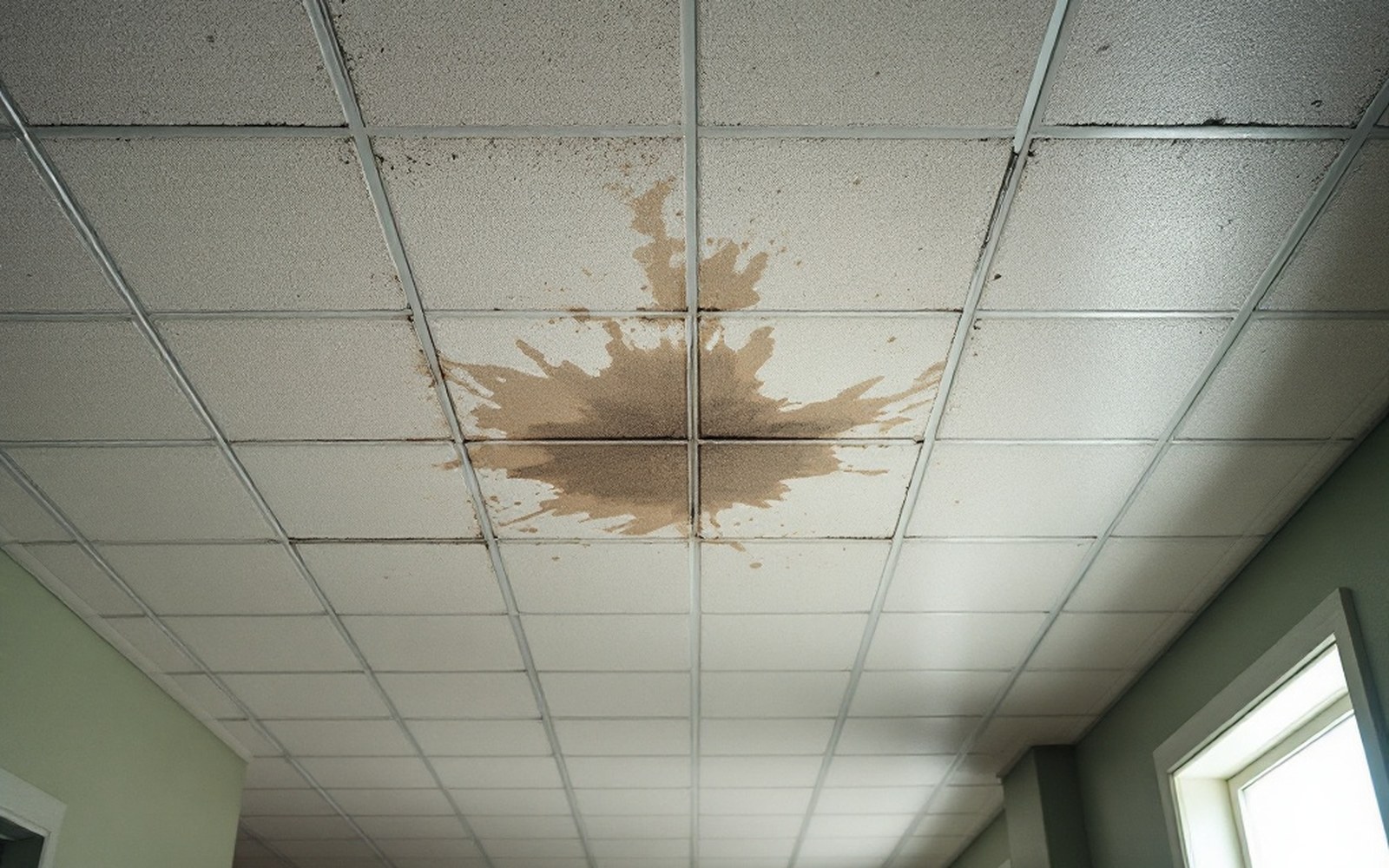
When the boiler breaks, something else doesn't get bought
School districts in the United States operate under a structural tension that rarely appears in debates about curriculum standards or test scores: the building and the lesson compete for the same money, and the building almost always loses until it becomes impossible to ignore.
The plant — the physical infrastructure a district owns and maintains — is funded through two channels that seldom line up cleanly. Day-to-day maintenance comes from the operating budget, the same pot that pays teachers, buys textbooks and runs school buses. Capital improvements — a new roof, a replaced boiler, a seismic retrofit — typically require a separate bond issue, a debt instrument that must be approved by local voters before a single dollar can be spent. That separation is not incidental. It means a superintendent choosing between a leaking gymnasium roof and a reading specialist is not choosing between two equally available options; the roof requires a voter supermajority in many states, and the reading specialist comes out of the operating line with no election required.
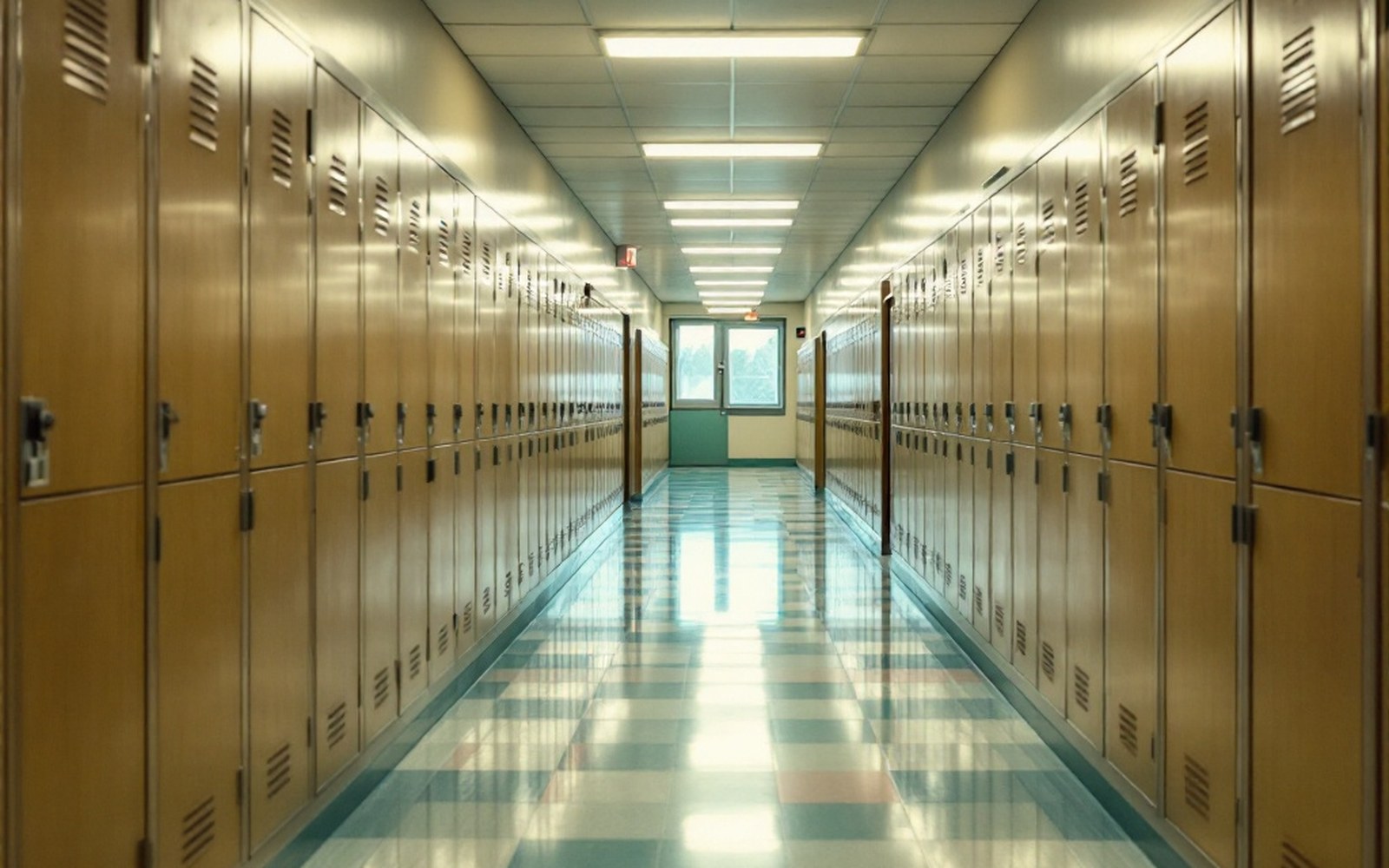
The operating budget itself is tethered to local property tax, which makes the condition of school buildings a direct function of neighborhood wealth. A district sitting on high-value real estate generates more per pupil from the same millage rate than a district in a lower-value area. The wealthier district can afford preventive maintenance; the poorer one defers it. Deferred maintenance is not simply an aesthetic problem. The US Government Accountability Office reported in 2020 that an estimated 41 percent of public school districts needed to update or replace HVAC systems in at least half of their schools — heating, ventilation and air conditioning systems whose failure correlates directly with attendance and measured learning outcomes. A classroom at 90°F is not a neutral environment for instruction.
What the numbers obscure
Aggregate national figures for school infrastructure spending exist, but they smooth over the disparities that matter. The Annual Survey of School System Finances, collected by the Census Bureau, records capital outlay by district, but comparing those figures across states is complicated by the fact that some states contribute heavily to local construction through state aid formulas while others leave it almost entirely to local bond markets. Texas, for instance, operates a system in which the state and individual districts share construction costs through a program called Instructional Facilities Allotment — yet that sharing is itself tied to the district's wealth and bonding capacity, so poorer districts still borrow at worse terms.
The condition of facilities rarely surfaces in the accountability frameworks that drive federal education policy. No Child Left Behind and its successor ESSA measured schools by test scores and graduation rates; neither statute created a federal reporting requirement for the physical state of the buildings in which those scores were produced. The adjusted cohort graduation rate can improve even as the ceiling tiles fall. That is not a coincidence of design; it reflects a deliberate federal posture that treats inputs as a state and local matter and outputs as the proper subject of federal scrutiny.

What the framing misses is that the building is an input — one of the oldest and least glamorous. James Coleman's 1966 Equality of Educational Opportunity study is remembered for its finding that family background outweighed school resources in predicting achievement, but Coleman's team did collect data on school facilities as one dimension of resource inequality, a thread that subsequent decades of accountability policy largely abandoned in favor of curriculum and pedagogy.
The practical result is visible in any district that has deferred its roofline long enough: a bond election called in crisis, a temporary fix that delays the next crisis, and an operating budget that briefly stabilizes before the next system failure puts the same choice back on the table. The roof and the reading program are always, in that sense, the same decision.
| Operating budget | covers salaries, materials, day-to-day maintenance; drawn from annual tax revenue, no voter approval required |
| Bond issue | required for major capital work; must pass a voter threshold (often 55–66%, varying by state) before funds are available |
| Property tax millage rate | the levy rate applied to assessed property value; same rate produces very different revenues in rich vs. poor districts |
| 41% of US school districts | share needing HVAC updates or replacement in at least half their schools, per GAO (2020) |